Boxabl Site Prep & Utilities: The Dallas Owner’s Guide
Boxabl site prep and utility connection in Dallas typically runs $18,000 to $45,000 depending on your lot’s existing conditions, utility distances, and soil type. We stock the tools, trenching equipment, and materials for Boxabl-compatible pad work, sewer, water, and electrical tie-ins, and most utility rough-ins can be completed within two to four weeks once permits clear. What usually prompts the call: an owner buys the Boxabl unit, gets it delivered, then discovers the site wasn’t graded level enough, the sewer invert is too shallow, or the electrical service doesn’t match the unit’s panel requirements.
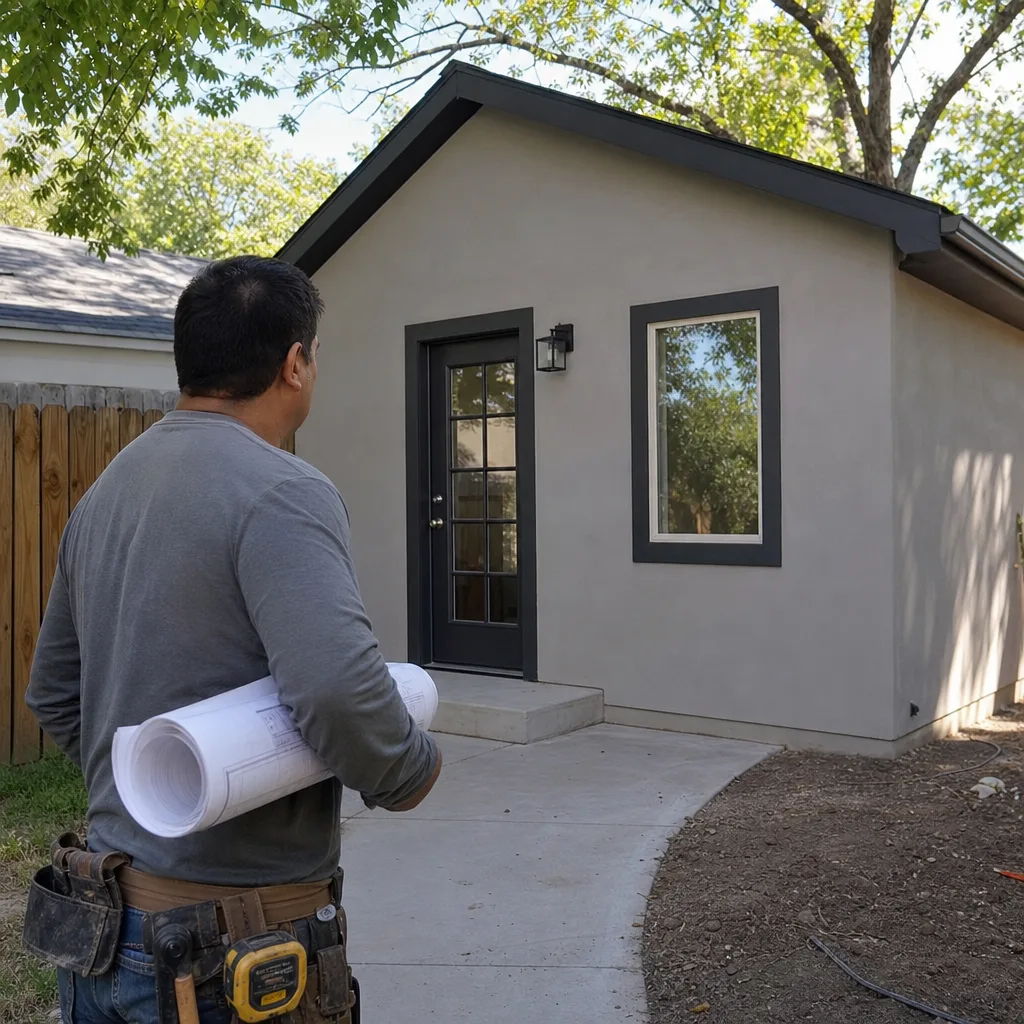
Here’s the reality we see across Dallas sites: the Casita arrives on steel skids that need a near-dead-level pad. A 1-inch slope across 20 feet translates to a door that binds and a roof that drains wrong. We fix that before concrete goes down, not after the unit is set.
Which Boxabl Models This Applies To
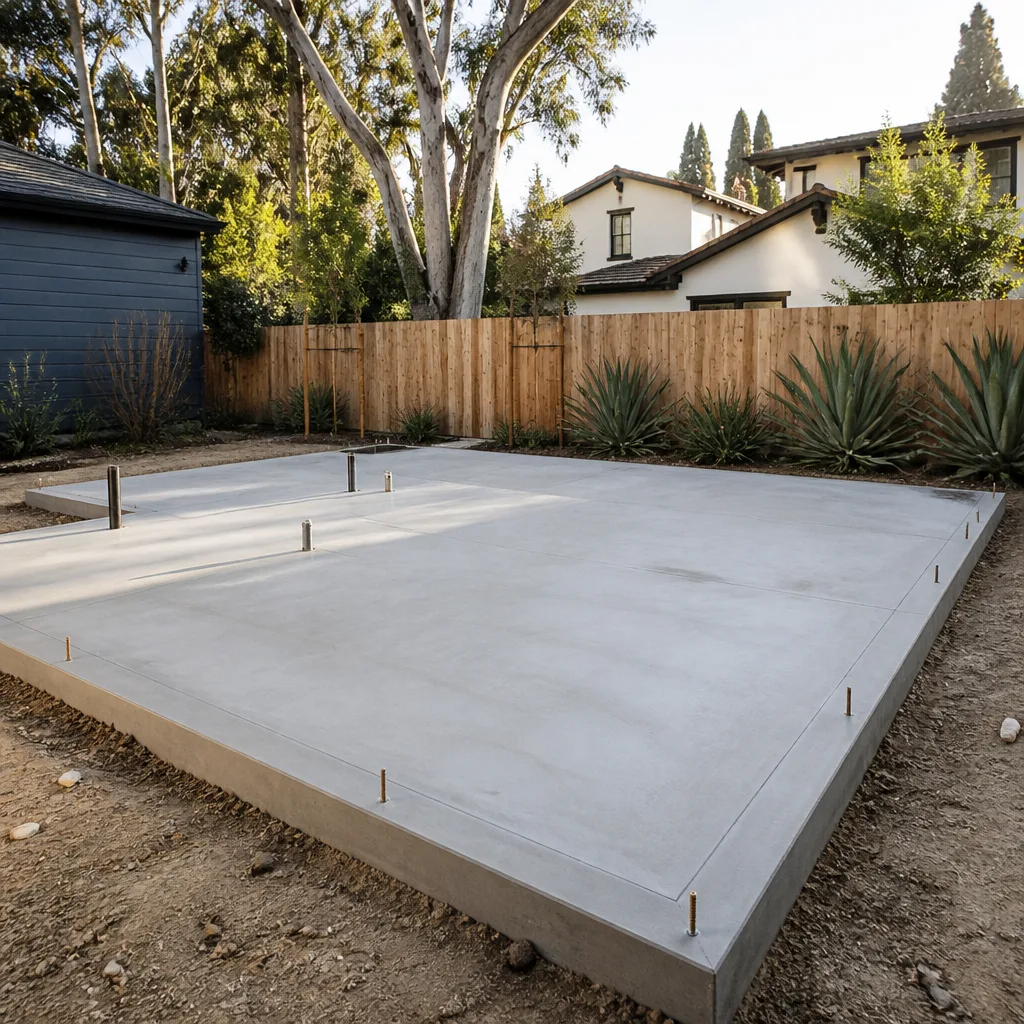
The Boxabl Casita is the unit we work with most often in Dallas. It ships as a folded module roughly 8.5 feet wide, expands to about 19 feet wide, and sits on a foundation pad or pier system that must be flat to within a quarter inch over the footprint. The utility requirements are specific: a 100-amp electrical service is the minimum for the standard Casita, though we’ve seen owners with all-electric kitchens and mini-split HVAC want 125 or 150 amps pulled from the panel. Water supply is a standard 3/4-inch service line. Sewer is a 4-inch line with a minimum 1/4-inch-per-foot fall.
One compatibility gotcha that bites Dallas owners: the Casita’s factory-installed plumbing stubs are positioned for a specific foundation elevation. If your pad sits too high relative to the sewer tap, you’ll need a lift station or a deeper tap, neither of which is a small expense. We measure the city tap depth before you pour, so you don’t find out after the unit is sitting on the pad. Fielding ADU Dallas is an independent service provider and not affiliated with Boxabl, but we work with their specs daily and match the utility rough-in to the unit’s as-built drawings, not a generic ADU template. For aftermarket versus OEM on this category, most utility materials, conduit, panels, PEX plumbing, Schedule 40 PVC, are commodity items. The fit matters more than the brand: the trench depth, the fall rate, the panel amperage, the meter socket placement. If your Dallas lot has black gumbo clay, the trench backfill and bedding become the thing that determines whether your sewer line shifts three years in.
Signs Your Boxabl Site Prep & Utilities Is Failing
- Doors binding or not latching after the first rainy season. This usually means the pad shifted. Dallas clay expands when wet and shrinks when dry. A pad poured without proper compaction or a gravel base will heave at the corners and throw the Casita’s steel frame out of square.
- Slow drains or sewage odor near the unit. This is a sewer line issue, often a belly where the pipe settled and now holds water, or a root intrusion where the line runs near a mature tree. In Dallas, live oaks and pecans send roots into 4-inch PVC joints faster than most owners expect.
- Breakers tripping when you run the mini-split and a countertop appliance at the same time. The Casita pulls more than people think. If the original site prep undersized the service feeder, a 100-amp panel gets hot and trips. We see this on units where someone ran aluminum feeder wire to save money.
- Water pressure drops when a second fixture opens. A 3/4-inch service line with a long run from the meter to the unit will struggle. The Casita’s plumbing wants 45 to 60 psi. Under 40 psi, your shower feels like a drizzle and the washing machine fill cycle takes forever.
- Standing water pooling near the skid rails after rain. This is a grading issue, not a plumbing issue. The Casita’s skids sit on the pad edge. If the surrounding grade slopes toward the unit, water finds its way under the floor assembly and the crawlspace, if you have one, stays damp. In Dallas’s humid months, that means condensation on the underside, musty air inside, and eventually rust on the steel frame.
Replacement Cost & What’s Included
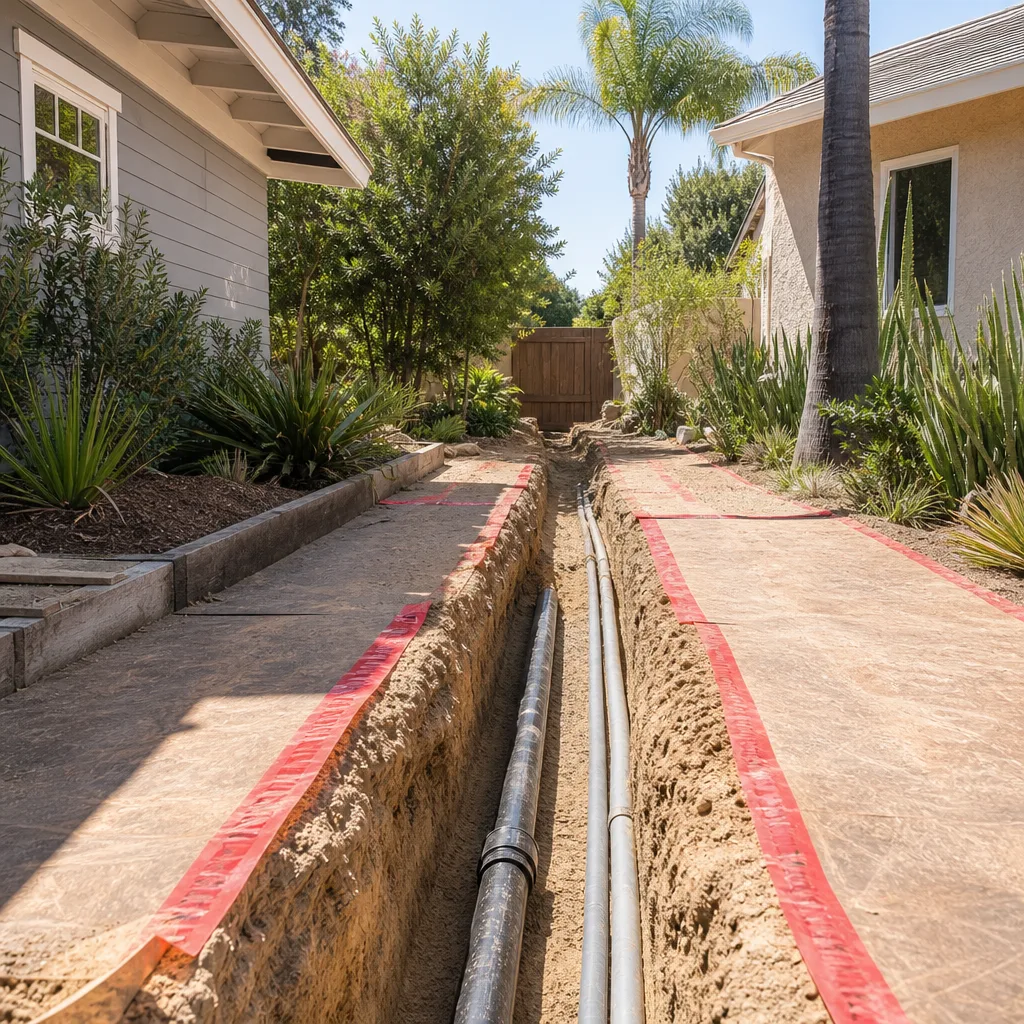
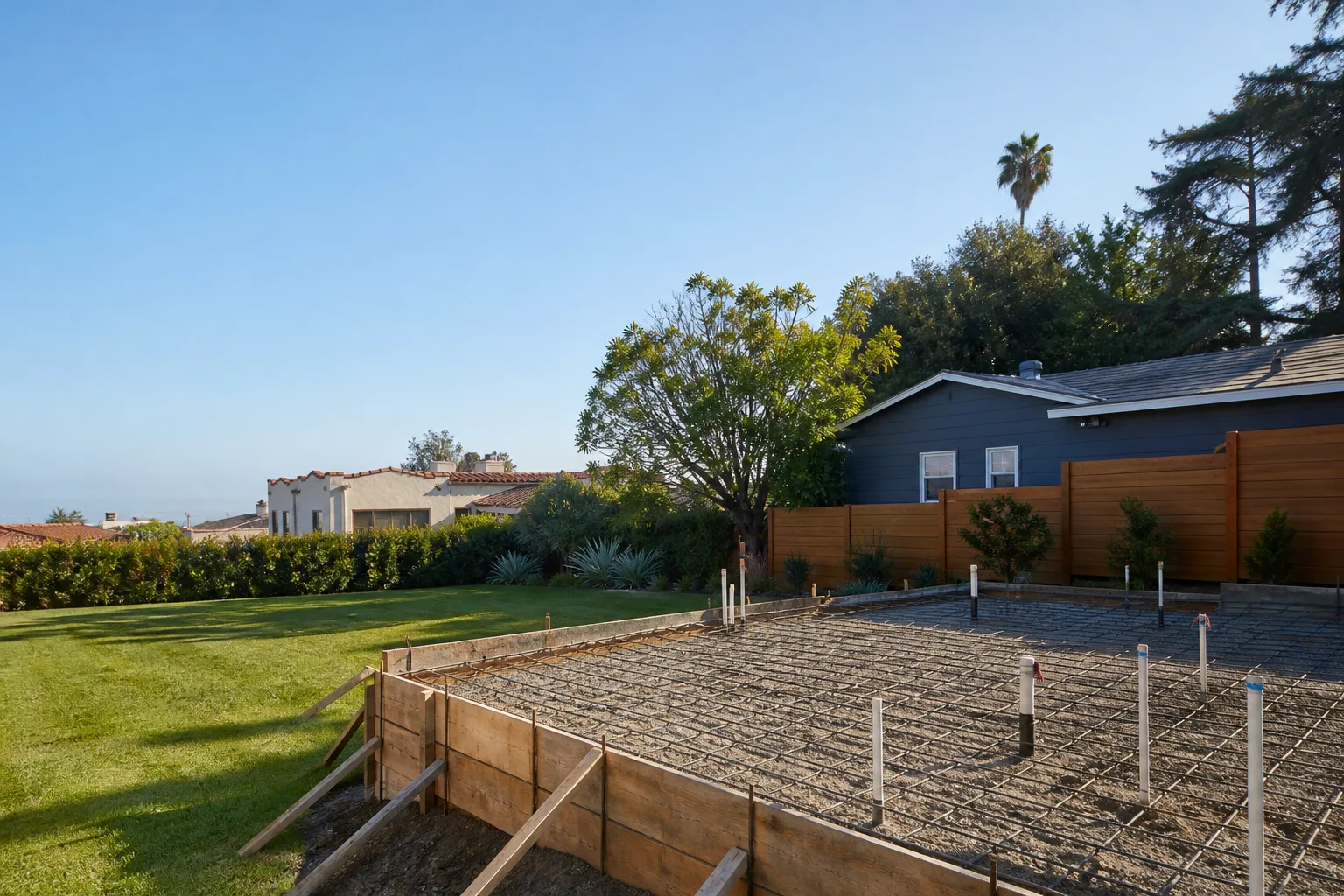
For a full Boxabl site prep in Dallas, meaning pad grading, forms, concrete, utility trenches, water and sewer stubs, electrical conduit with the feeder, and backfill, you’re looking at $18,000 to $30,000 on a flat lot with reasonable utility access. If your lot sits in a flood-prone pocket of East Dallas or Oak Cliff, or the sewer tap is far from the unit, or the soil requires piers instead of a slab, that range climbs to $35,000 to $45,000. The spread comes down to three things: how deep the city sewer main runs, how far the electrical meter is from the pad, and what the soil report says.
| Scope | Typical Dallas Range | Notes |
|---|---|---|
| Pad prep, forms, compacted base, 4″ slab | $4,000 – $8,500 | Includes grading, vapor barrier, rebar or mesh per Boxabl spec |
| Water service line (meter to unit) | $1,800 – $4,200 | Up to 60 feet, PEX or copper, includes backfill |
| Sewer lateral (unit to city tap) | $2,500 – $7,000 | Depth and distance drive this; lift station adds $6k+ |
| Electrical: trench, conduit, feeder, 100 – 150A subpanel | $5,500 – $11,000 | SER copper vs aluminum affects price; panel upgrade adds $3k – $6k |
| Permits and inspections | $800 – $2,500 | Dallas building, plumbing, electrical, grading |
Every line item is written down before we move dirt. You approve the number on day one, and that number is the number on the final invoice. The work carries the Garrison Standard, a full year in writing. If a utility rough-in fails within 365 days, we come back and correct it at no charge. That’s the whole arrangement.
DIY or Call Us?
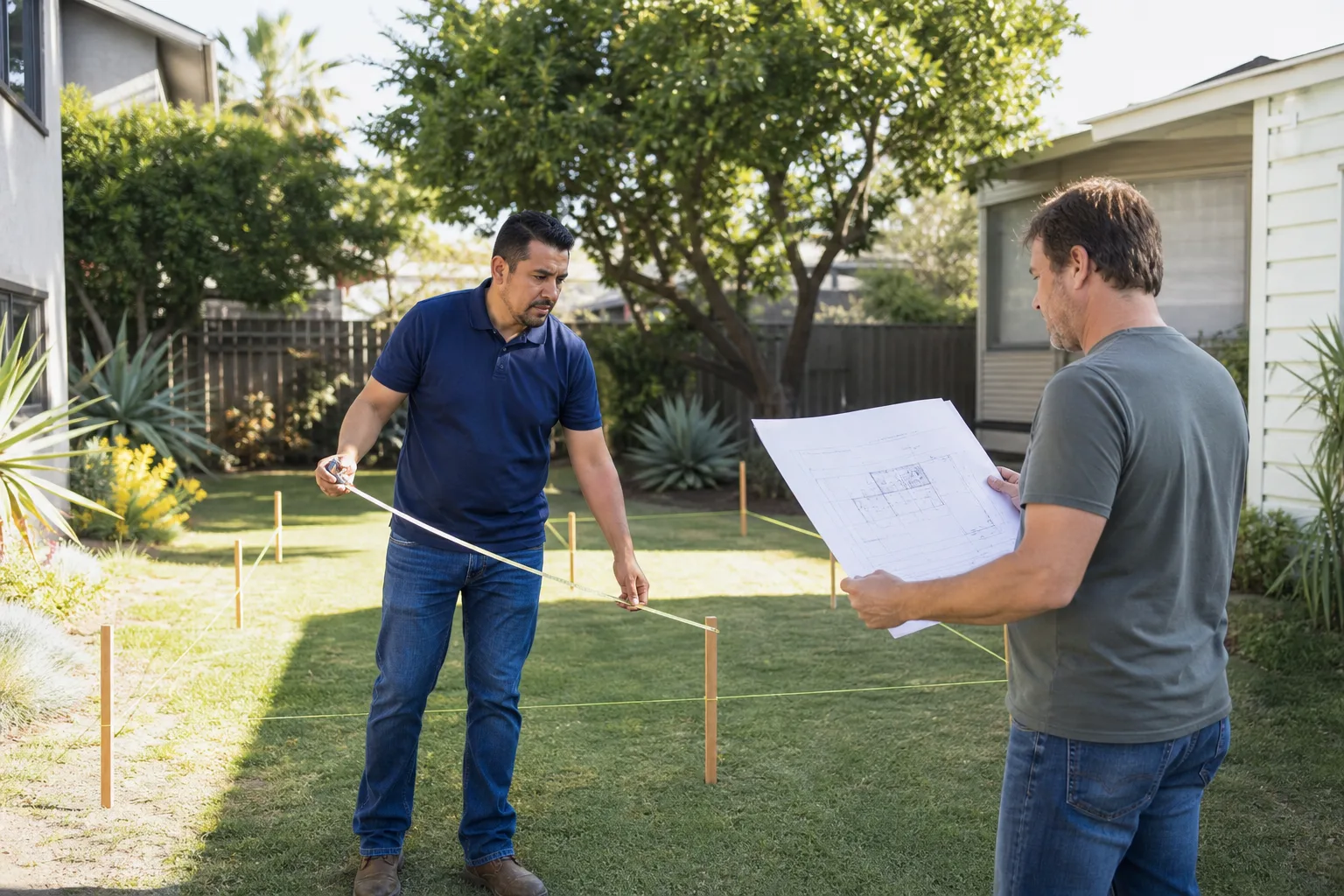
What you can safely handle yourself: marking the pad location with stakes and string, calling 811 for utility locates, clearing brush and debris from the build area, and documenting your lot’s existing conditions with photos before any equipment shows up. That’s real work that saves time and helps you keep an honest record.
What you should not DIY: trenching to a live sewer main, pulling a new electrical feeder from a meter socket, and setting forms on Dallas clay without knowing what the soil is doing underneath. A sewer tap done wrong leaks sewage into your yard. An electrical feeder sized or bonded wrong is a fire hazard. A pad that’s off-level by half an inch becomes a permanent door-alignment problem you’ll notice every single day. If you’ve got a Boxabl unit and the prep was done wrong, don’t guess at the fix. Call us at (903) 342-8977 and we’ll walk the site and tell you exactly what’s out of spec.
FAQs
Properly installed boxabl site prep and utilities should last 25 to 50 years for the concrete pad and sewer lateral, and 30 to 40 years for the water line and electrical conduit, provided the original work was done to spec with proper compaction and bedding. The part that fails earliest in Dallas is the sewer line if it was bedded in shifting clay, you’ll see movement within the first 3 to 5 years. Call (903) 342-8977 if you’re seeing early failure signs, and we’ll inspect it.
It depends on the failure mode. A pad that’s out of level by under an inch can often be shimmed or topped with a self-leveling overlay and recaulked beneath the skid rails. A pad that has heaved multiple inches or cracked through the footing line will usually need partial demolition and a re-pour. We’ll tell you the cheaper fix if one exists, and we’ll show you the crack and explain why it’s moving before we recommend a number.
A standard utility rough-in, meaning trenching, stub-outs, conduit, and backfill, takes 3 to 7 working days once permits are in hand. The Dallas permit office review typically adds 2 to 6 weeks depending on zoning and whether your lot needs a variance. We pull the permits and handle the inspections. You don’t chase the city.
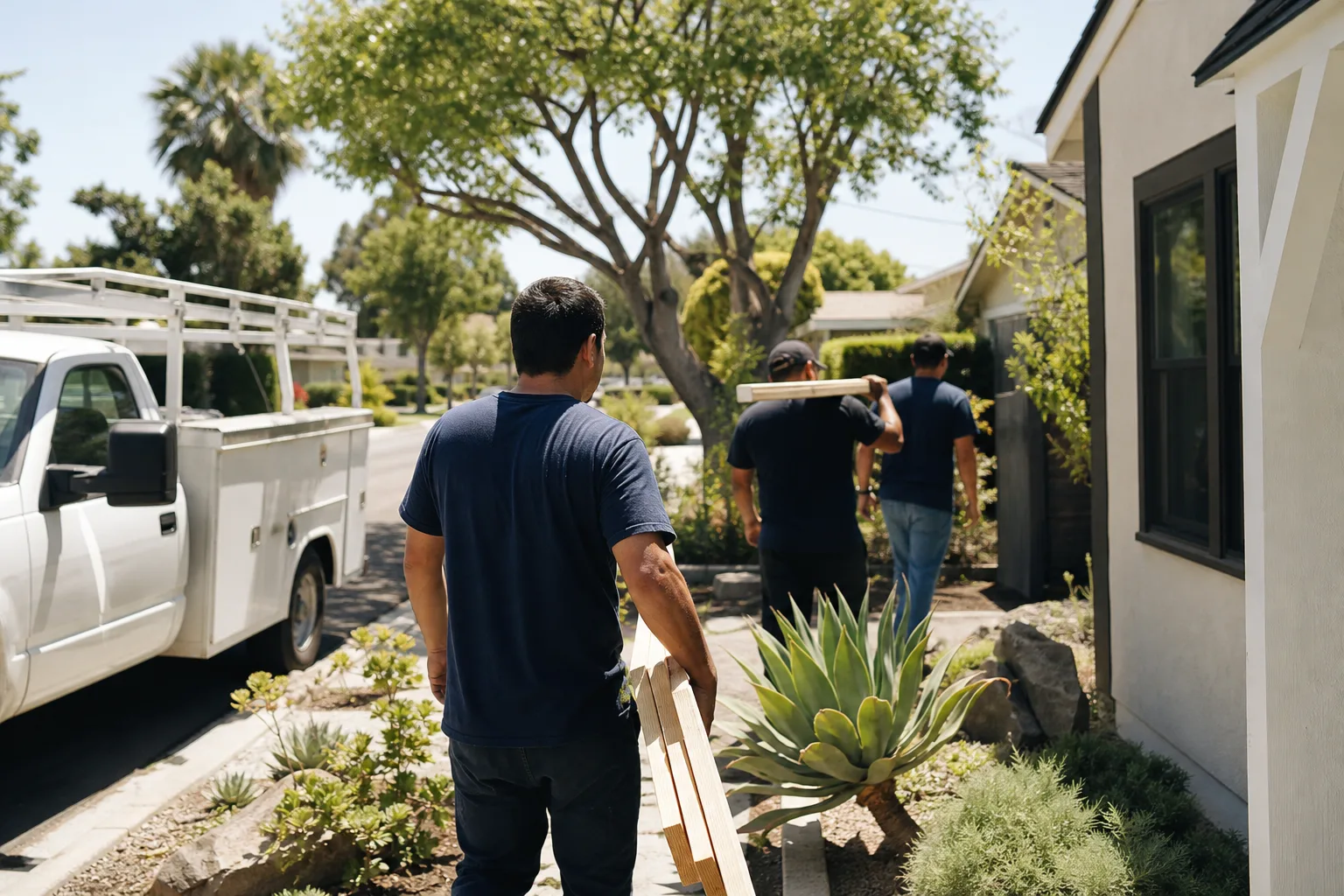
We stock the common materials on our trucks and in our Dallas yard: Schedule 40 PVC in 4-inch and 2-inch, PEX water line, SER copper and aluminum feeders, 100-amp and 150-amp subpanels, rebar, and form boards. Specialty items like grinder pumps, lift stations, or oversized meter sockets are ordered per job with pricing locked before we order. You know the cost before anything gets purchased.
If you own a Boxabl and you’re looking at a pad out of level, sewer that’s backing up, or breakers that won’t hold, call (903) 342-8977. Reed Calloway will walk your site, measure what’s there against the Boxabl spec, and put the fix in writing before the first nail goes in. If you’re also weighing Abodu, Cover, or Dvele for another structure on the lot, we prep sites for those systems too. Estimates are free.
Written by Reed Calloway, Owner, Fielding ADU Dallas at Fielding ADU Dallas, serving Dallas and nearby areas.