Site Assessment in Dallas, TX
A site assessment for an ADU in Dallas tells you whether your lot can legally and physically support the unit you have in mind, before you spend a dollar on design or materials. At Fielding ADU Dallas, we walk the property, pull the zoning and setback rules that apply to your specific parcel, check utilities and drainage, and hand you a written report with a clear yes, a clear no, or a clear “yes, if we adjust the plan this way.” Call (903) 342-8977 and we’ll schedule the visit. If you’re still weighing whether an ADU makes sense at all, start with our ADU Design & Permitting page for the full picture of how the process works in Dallas.
The assessment is the first real gate in any ADU project. Skip it, and you risk paying for drawings that the City of Dallas planning department rejects on day one. Do it right, and the design and permit phase moves faster because nobody has to guess. We’ve done this enough times in neighborhoods like Lake Highlands, Preston Hollow, Oak Cliff, and East Dallas to know which lots sail through and which ones need a variance or a creative build method to work.
Key Takeaways
- A site assessment answers three questions: Is the lot legal for an ADU? What are the physical constraints? What will it cost to build within those constraints?
- Assessment pricing in Dallas typically runs $350 – $650, credited toward your design retainer if you move forward with us.
- Most assessments take 1 to 2 hours on site, with a written summary delivered within 2 business days.
- We flag setback issues, utility conflicts, drainage problems, and access constraints before they become expensive surprises.
- Every assessment includes a written price for the build scope, so you leave with real numbers, not vague ranges.
When You Need a Site Assessment
Not every homeowner needs a formal site assessment on day one. But these are the situations where skipping it almost always costs more than the assessment itself:
- You’re looking at a prefab ADU from Mighty Buildings, Boxabl, or Plant Prefab. These units have specific foundation, crane access, and utility connection requirements that don’t bend. If your backyard has tight side access or overhead lines, you need to know now, not after you’ve put down a deposit.
- Your lot is narrow, oddly shaped, or on a corner. Dallas zoning code sets specific setback and lot coverage rules that get strict fast on nonstandard parcels. A corner lot in East Dallas faces different rules than a mid-block lot in Richardson.
- You have large trees, a sloped yard, or a drainage problem. North Texas clay soil and mature live oaks complicate everything from foundation choice to stormwater management. We flag these on site, not after excavation starts.
- You already tried to pull a permit and got denied or stalled. A denied permit means something in the plan didn’t match the code. Our assessment identifies exactly what needs to change before you resubmit.
- You want a garage conversion rather than a backyard build. Detached garages in Dallas often have slab, electrical, and setback issues that are cheaper to fix when you know about them up front. We assess the existing structure as part of the same visit.
- You’re comparing a room addition against an ADU. Sometimes the assessment shows that an addition makes more sense on your lot, or vice versa. The data is the same either way; the decision just gets easier.

Our Site Assessment Process
We keep the process structured so you know exactly what you’re paying for and exactly what you’ll get back. Here’s how it runs, start to finish:
- You call and book a time. A live person answers, any hour. We confirm the address, ask a few questions about what you’re leaning toward (backyard ADU, garage conversion, Tuff Shed-style structure, etc.), and set a window for the visit.
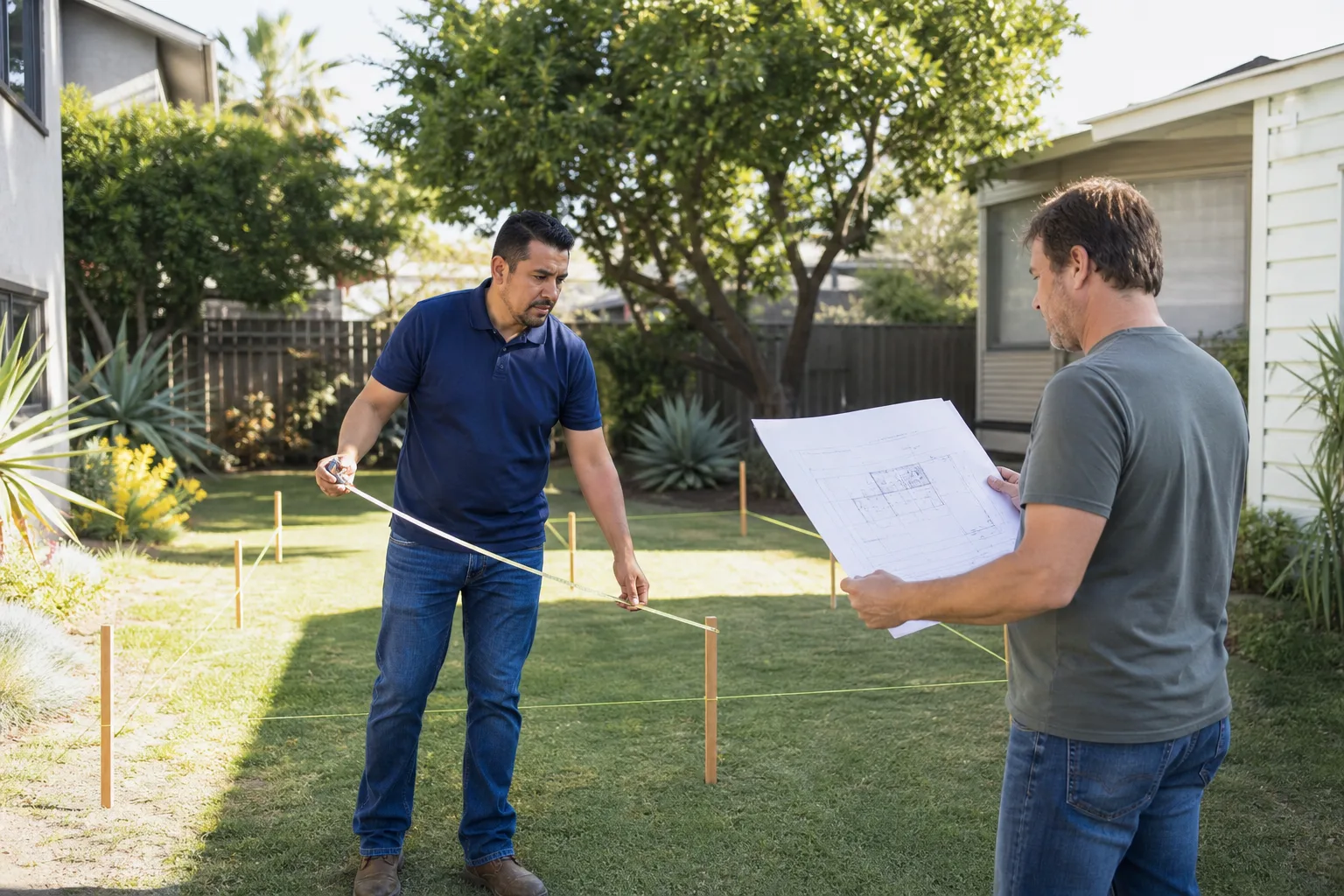
- We walk the property with you. We measure the usable yard area, note the grading, locate utility lines and connection points, check access for equipment or crane delivery, and photograph anything that matters. You point out what you were thinking; we tell you plainly what it will take.
- We check the Dallas zoning and permitting rules for your parcel. Back at the office, we pull the current Dallas Development Code provisions that apply to your lot: setbacks, height limits, lot coverage, parking requirements, and any overlay district rules. If you need a setback variance, we tell you what that means and roughly what it costs to pursue.
- We match the site to the build method. This part matters more than most homeowners expect. A Mighty Buildings panel system has different site requirements than a Boxabl folding unit or a conventional stick-built ADU with James Hardie siding. We tell you which options actually work on your lot and which ones to cross off.
- We deliver a written summary with real numbers. Within two business days, you get a report covering what we found, what’s possible, what’s restricted, what the likely build cost looks like, and a written price for the design and permit phase if you move forward with us.
Reed Calloway oversees every assessment for Fielding ADU Dallas. He’s walked hundreds of Dallas lots and knows the local code book well enough to give you direct answers on the first visit, not a list of follow-up questions for someone else.
Site Assessment Pricing in Dallas
Here’s what we charge, plain and simple. The assessment itself is one flat fee. No hourly billing, no surprise add-ons, no charge for the follow-up phone call.
| Service | Typical Cost |
|---|---|
| Standard residential site assessment (Dallas city limits) | $350 |
| Larger lots, steep slopes, or complex drainage concerns | $450 – $650 |
| Assessment credit toward design retainer | Full amount credited if you hire Fielding ADU Dallas for design & permit |
| Written summary and recommendations | Included, no extra charge |
What affects the price? Lot size and slope are the two biggest variables. A flat half-acre in a standard Dallas subdivision is fast and straightforward. A steep lot in a hilly pocket of Kessler Park or a heavily treed lot near White Rock Lake takes more time to measure and evaluate, and the drainage analysis gets more involved. If you’re in an unincorporated pocket of Dallas County rather than the City of Dallas proper, the jurisdiction changes what we have to check, and that can shift the scope slightly.
The assessment fee is credited in full toward your design and permit work if you hire us to take the project forward. In practice, that means the assessment costs you nothing when you build with Fielding ADU Dallas.
Our written-price policy applies here too. The number we quote for the assessment is the number you pay. The number we quote for the build, when we deliver your report, is the number we hold to. No door surprises, ever. That’s the same standard Fielding ADU Dallas applies to every project we touch.
What the Assessment Report Tells You
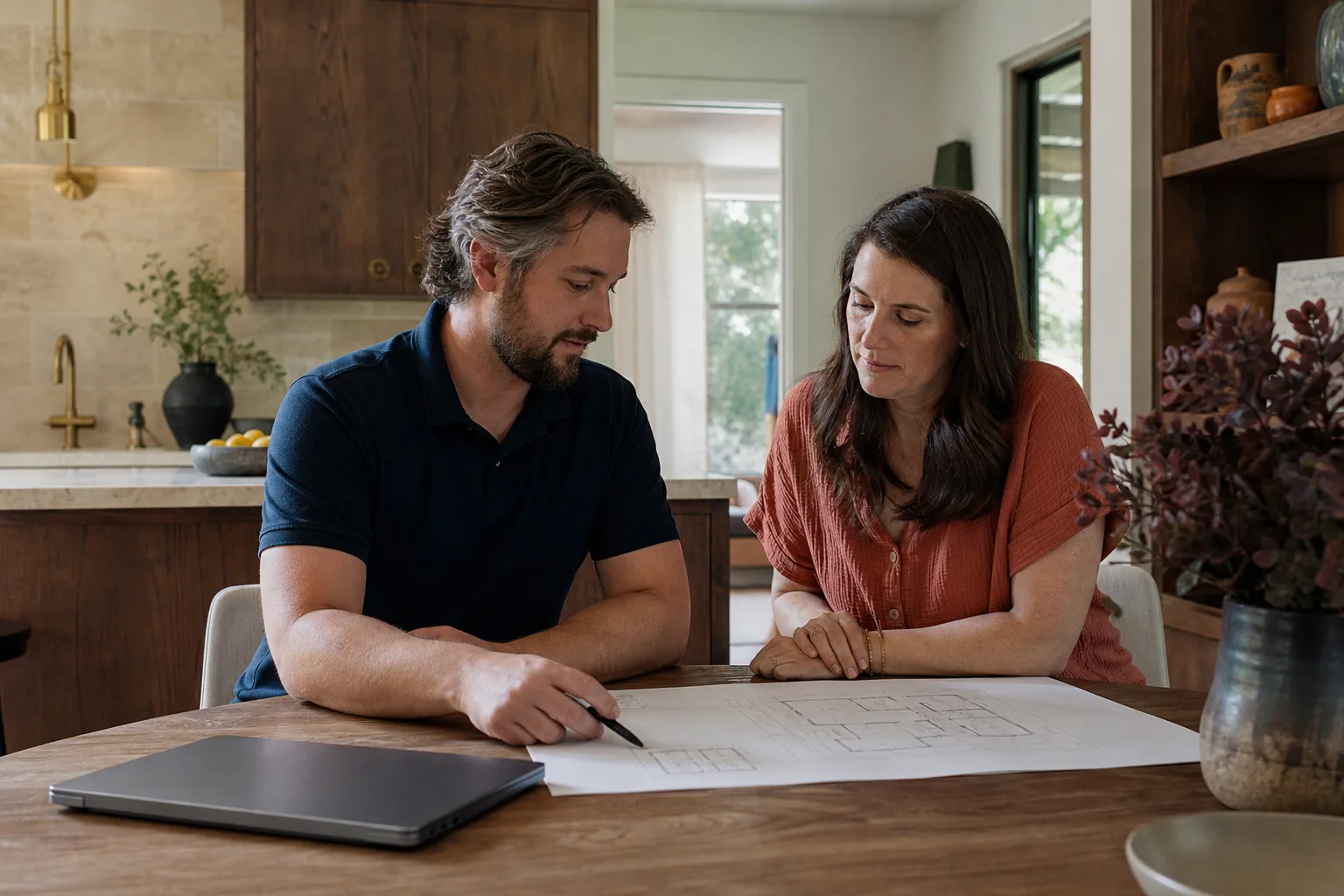
The written summary is the deliverable. It’s not a verbal thumbs-up. It’s a document you can hold in your hand and read the same way we do. It covers:
- Your parcel’s zoning classification and what it allows for ADUs
- Current setback distances versus what code requires
- Lot coverage calculation: how much of the property can be built on
- Utility connection points: sewer, water, electrical, and what it takes to reach them
- Drainage conditions and any stormwater concerns
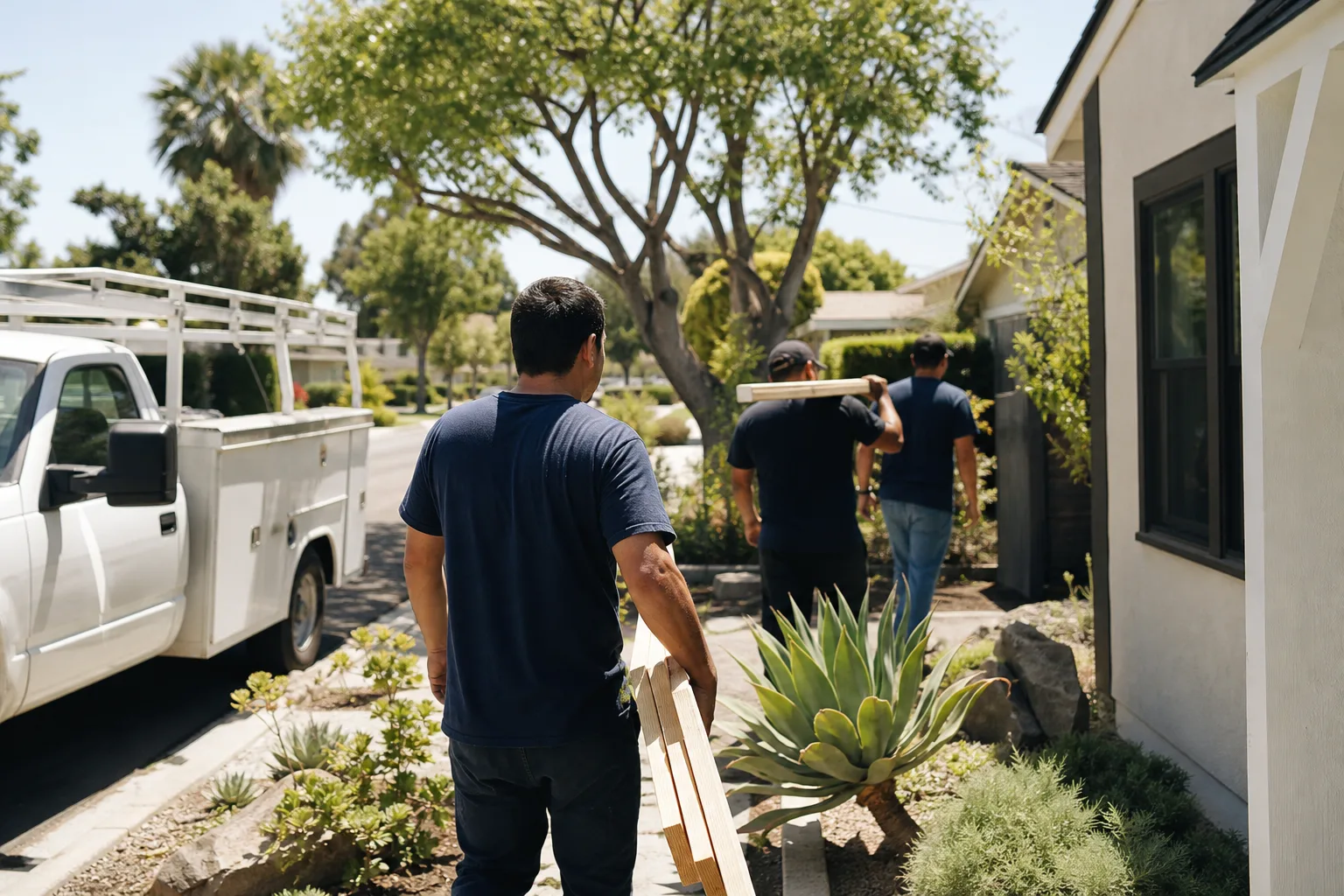
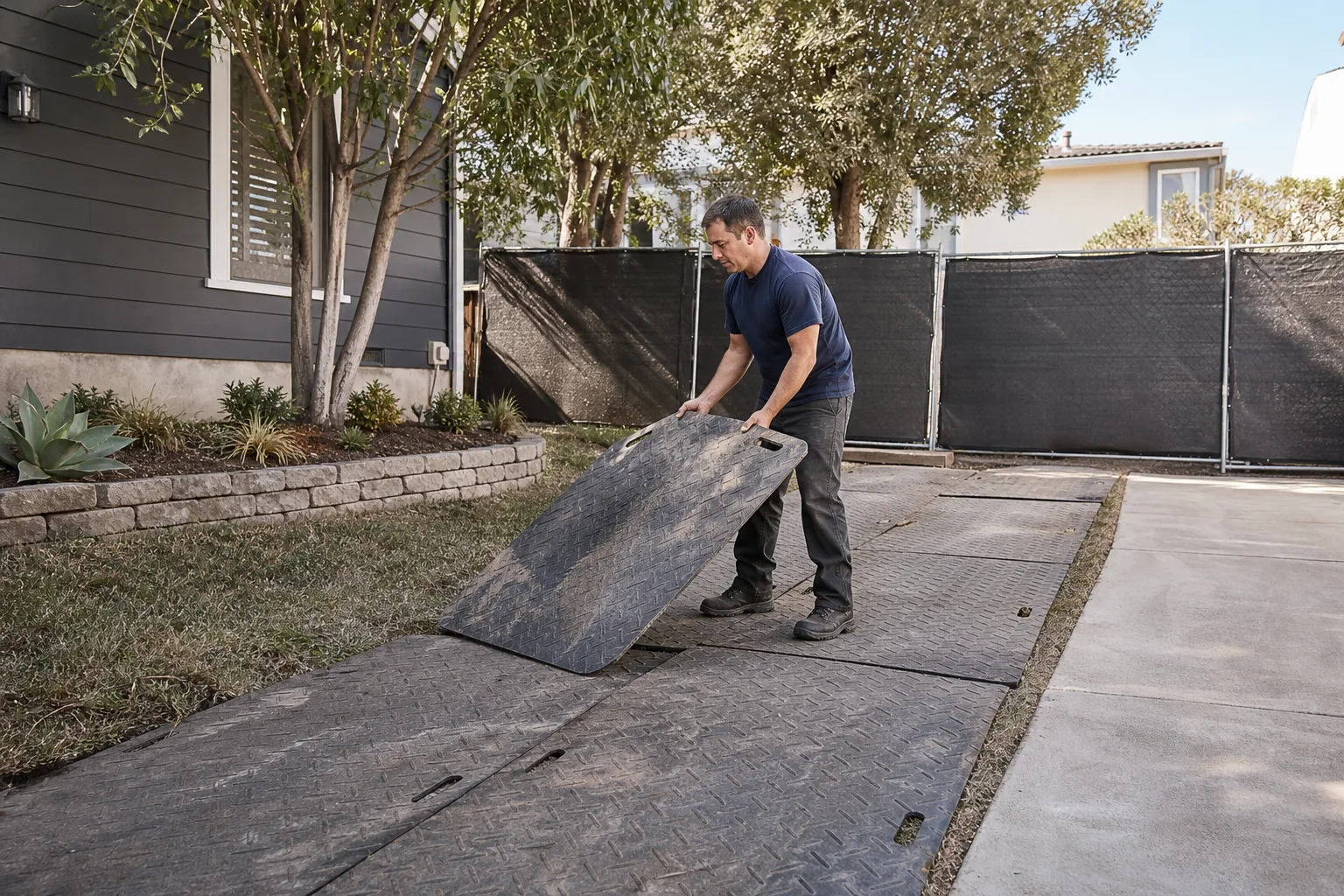
- Access route for construction equipment or prefab module delivery
- Recommended build methods that fit the site (including Tuff Shed-style structures where appropriate)
- A written price range for the ADU build itself, based on what the site supports
You get all of this before you’ve committed to anything beyond the assessment fee. If the report says your lot won’t work for what you wanted, you have it in writing and you’ve spent under $700 instead of tens of thousands.
What Makes Dallas Lots Tricky
Dallas is not one market; it’s a patchwork of neighborhoods with very different lot conditions. We see the full range, and our assessments reflect what’s actually on the ground.
Clay soil and foundation movement. North Texas sits on expansive clay that swells when wet and shrinks when dry. An ADU foundation has to be designed for that movement, especially on a sloped lot where one corner of the slab sits higher than the other. We note the soil condition and slope in the assessment so the foundation spec is right the first time.
Mature trees and root zones. A huge live oak in the backyard might be the reason you love the lot, but it also limits where an ADU can go. Dallas protects certain tree species, and even when a tree isn’t protected, you don’t want a foundation poured through its critical root zone. We map it and design around it.
Utility line placement. In older Dallas neighborhoods like Junius Heights or Vickery Meadow, sewer laterals and water mains run in places a new build can’t always reach without disruption. Connecting an ADU to the main house service may require a line extension or a separate meter. We locate the connection points during the walk and tell you what the utility rough-in will cost.
Alley-loaded lots. Many Dallas lots are served from the rear by an alley, which changes access for construction and can change where the ADU entrance should face. It can also affect the garage conversion math if the existing garage opens onto the alley. We handle alley-loaded lots regularly and factor access into the build plan from day one.
Floodplain and drainage overlays. Parts of Dallas sit within or near floodplains, and even outside them, the city’s drainage rules can require a stormwater plan for new impervious cover. If your lot is in or near a flood zone, we identify that in the assessment and tell you what it means for the ADU’s elevation and foundation design.
Why a Site Assessment Beats Guessing
Homeowners who skip the assessment usually make one of three expensive mistakes. They buy a prefab unit that won’t fit the site. They pay a designer to draw plans the city rejects. Or they start construction and hit a utility or drainage problem that costs five figures to fix. The assessment is the cheapest insurance you can buy on an ADU project.
We built Fielding ADU Dallas inside the Garrison Partners family specifically to apply the same standard to ADUs that homeowners in this city have wanted for years: show up when you say you will, put the price in writing before work starts, build it by the book, and stand behind it when it’s done. That’s The Garrison Standard, and it applies to the assessment as much as to the build.
The guarantee extends to every part of the job. If we assess your lot, design your ADU, and permit it, and then something fails inside the first year after we hand over the keys, we come back and fix it at no charge. That’s written down, not implied. Reed Calloway signs it, and so do you.
FAQs – Site Assessment
How long does a site assessment take?
The on-site visit typically runs 1 to 2 hours depending on lot size and complexity, and you’ll have the written summary within 2 business days. Call (903) 342-8977 to book, and we’ll give you a specific window before we arrive.
Does the assessment fee get applied to the ADU build?
Yes. The full assessment fee is credited toward your design and permit retainer when you hire Fielding ADU Dallas to move the project forward. If we do the assessment and you decide to go a different direction, the fee stands on its own with no further obligation.
What if my lot fails the assessment?
Some lots genuinely can’t support an ADU under current Dallas zoning, usually because of lot coverage limits, setback constraints, or floodplain restrictions. When that happens, we tell you plainly and explain your options, which sometimes include a variance application or a different scope like a room addition instead of a detached ADU. You’re never stuck guessing.
Is it cheaper to skip the assessment and go straight to design?
No. Skipping the assessment usually means paying for design work that gets rejected or has to be redone, which costs more than the assessment would have in the first place. The assessment catches the expensive problems before they’re drawn into a plan.
Can you come to the site today?
Often, yes. We keep assessment slots open for same-week scheduling, and in some cases we can be there the next day. Call (903) 342-8977 and we’ll get you on the calendar.