Abodu Site Prep & Utilities: The Dallas Owner’s Guide
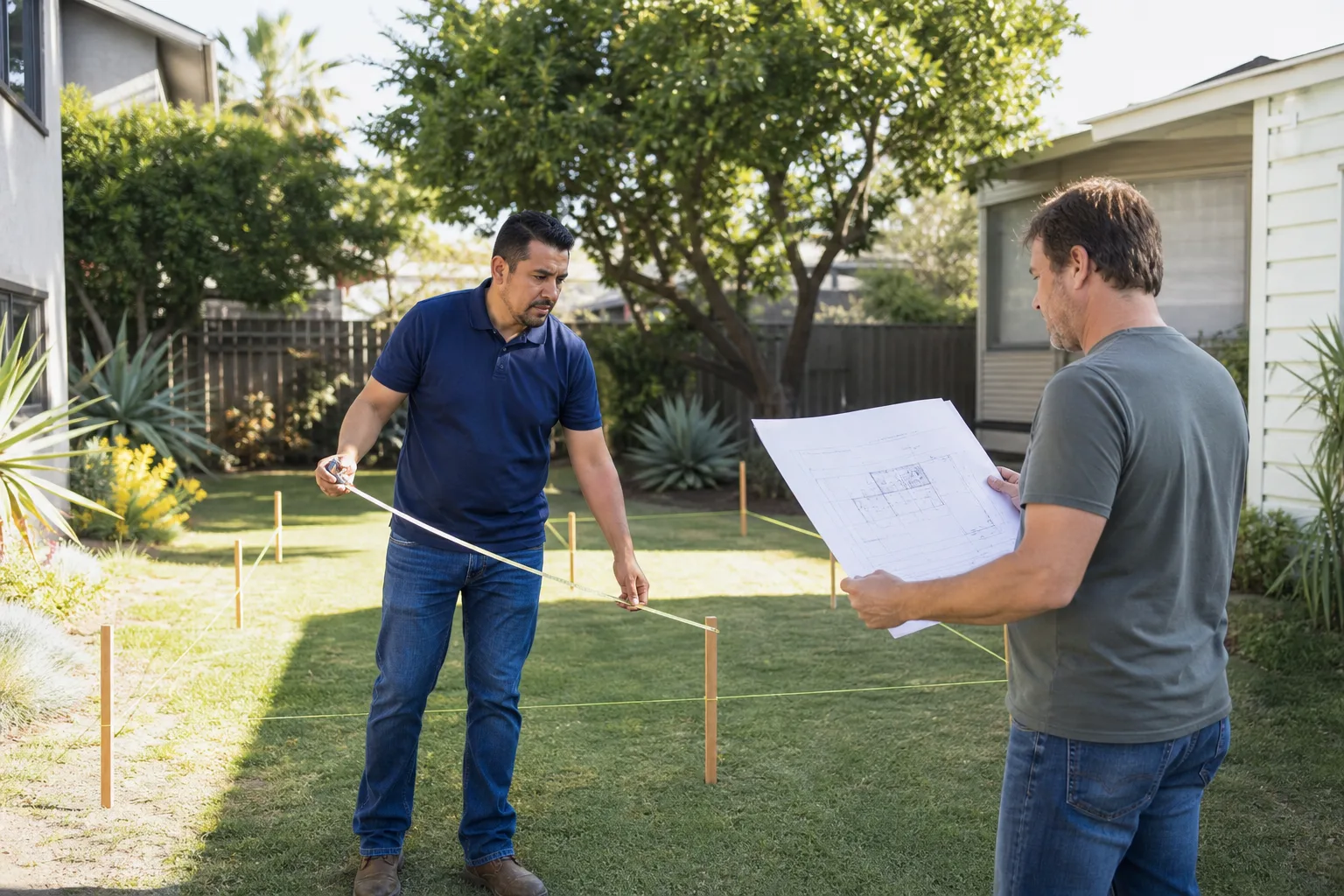
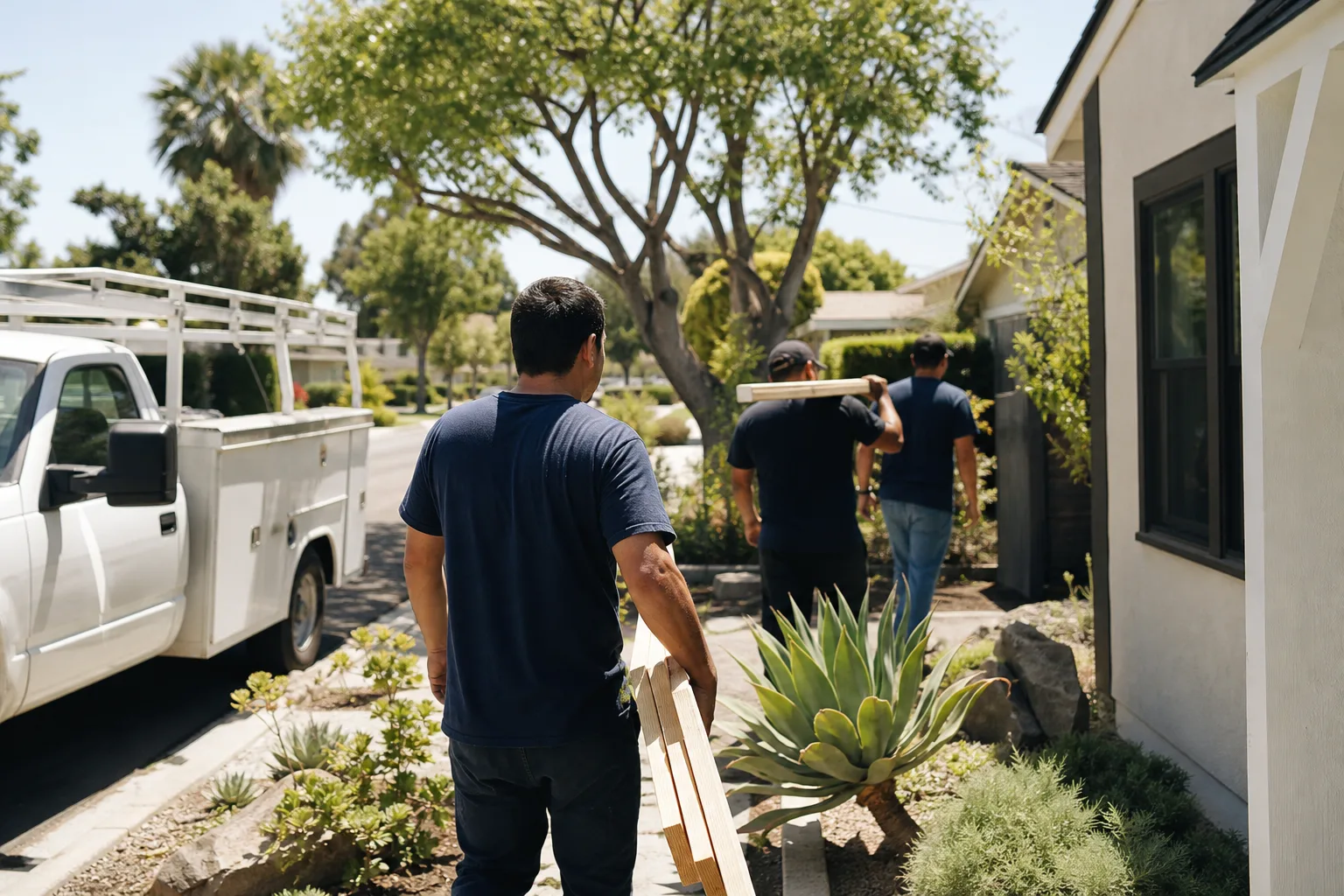
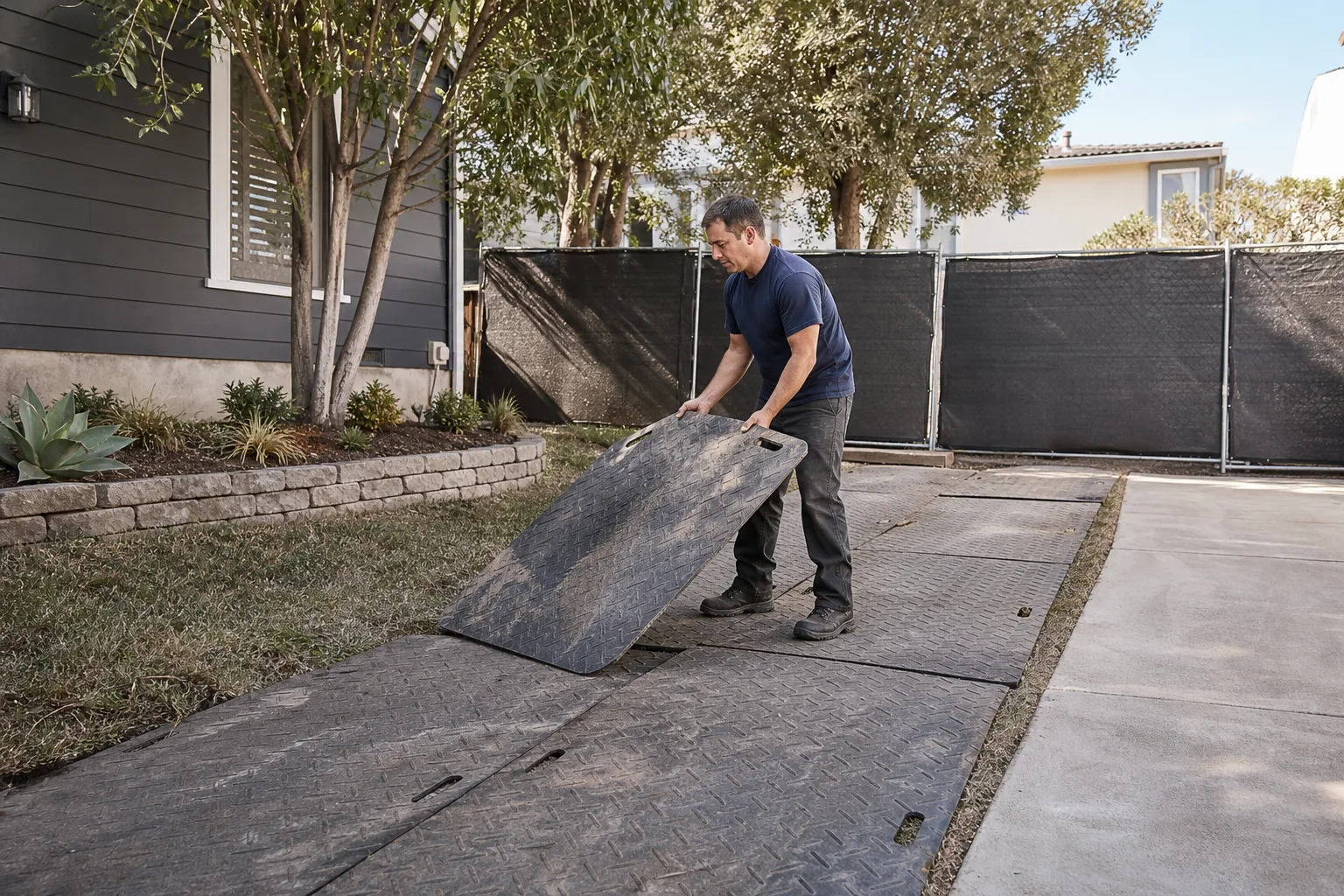
Site prep and utilities for an Abodu unit in Dallas typically run $8,500 – $22,000 depending on lot conditions, trenching distance, and whether you need a new panel or sewer tap. We stock the common materials on our trucks and can usually start within a week of your written approval. The way most owners discover a problem is the same: the Abodu unit is ordered and scheduled, then someone realizes the pad isn’t level, the sewer line is six feet too far, or the existing panel can’t handle another 100 amps. That’s the call we get, and that’s the work we do.
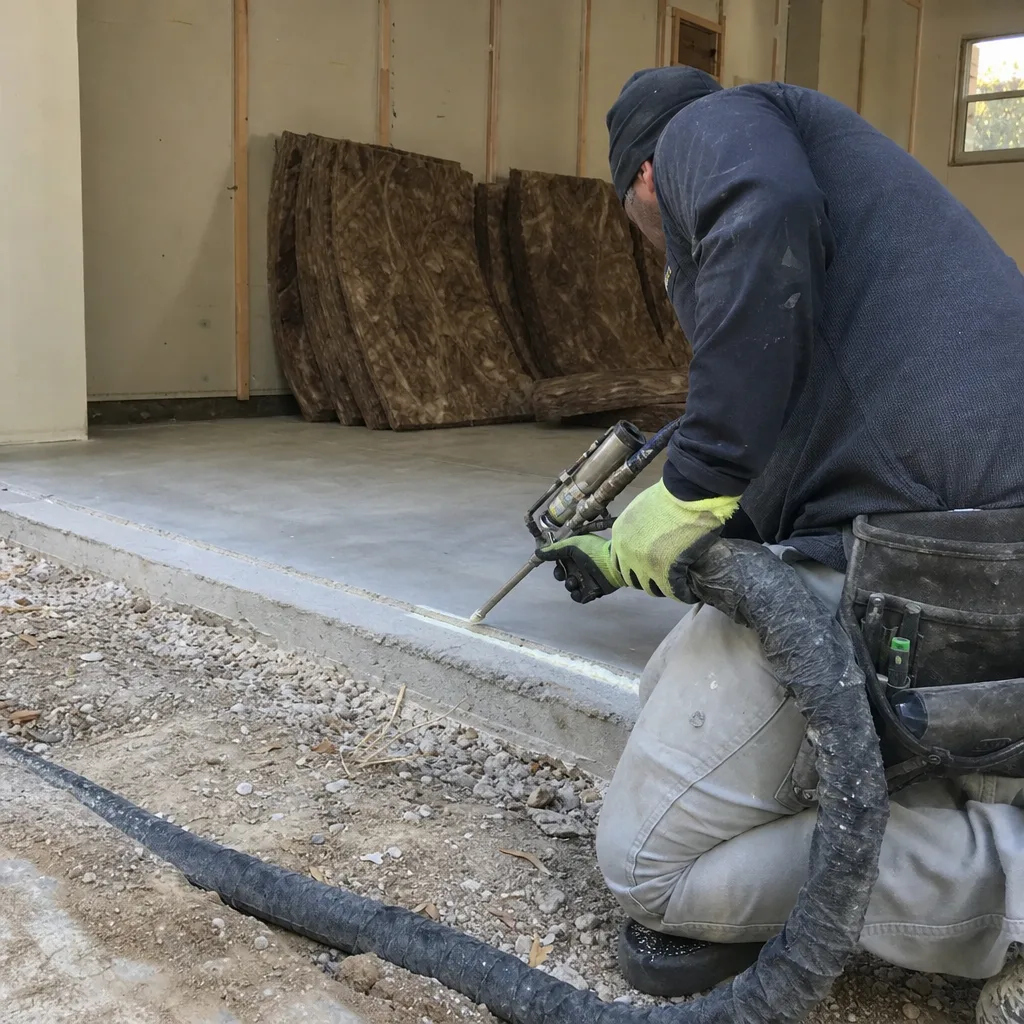
Fielding ADU Dallas is an independent service provider, not affiliated with Abodu. We work with their platform regularly, which means we know the specs before we show up.
Key Takeaways
- Site prep for Abodu in Dallas usually lands between $8,500 and $22,000
- Permits and utility taps are separate line items, not hidden surprises
- We put the price in writing before the first nail goes in
- Live person answers at (903) 342-8977, any hour
Which Abodu Models This Applies To
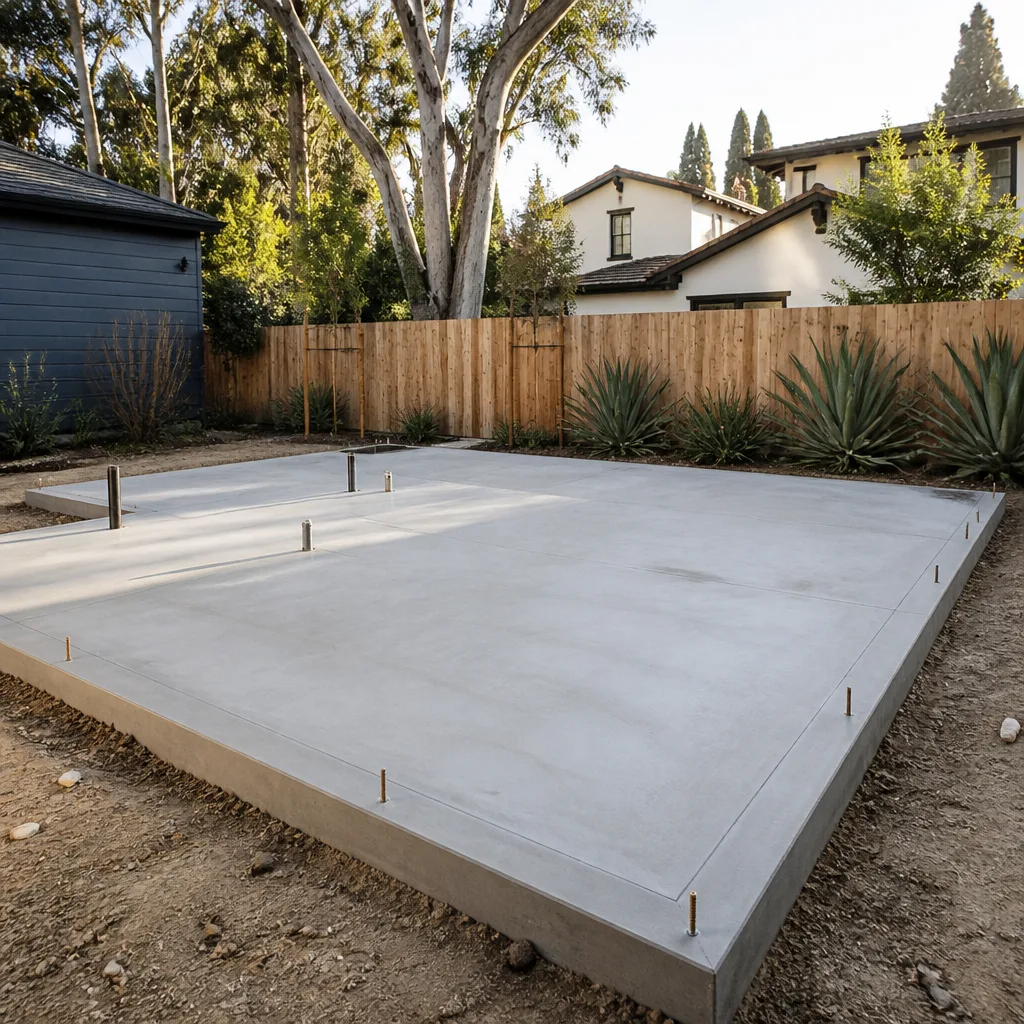
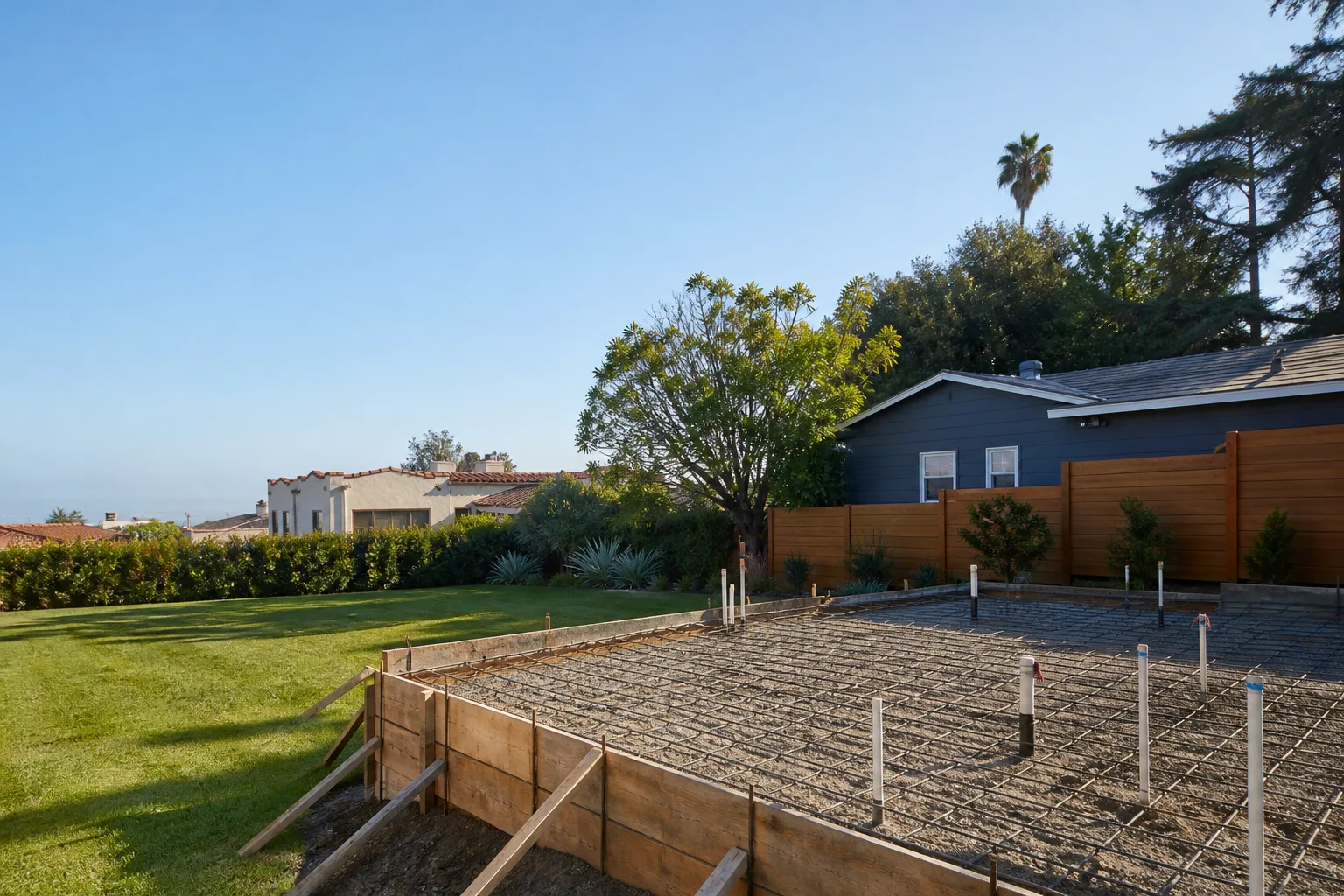
Abodu runs three studio lines and one-bedroom series, all built on a steel chassis that gets set on either a concrete pad or pier-and-grade-beam foundation. The site prep requirements are nearly identical across the model range: a level pad with specific compaction, a sewer stub at a set depth, a water line at 12 inches minimum, and a 100-amp electrical run from the main panel to a disconnect near the unit. What changes between models is the exact utility stub locations, and that’s where we see owners get burned. The Abodu One and Abodu Studio share a left-side utility entry, but the one-bedroom series has the sewer connection offset by 18 inches. If your site crew pours the pad without confirming the stub location against the Abodu installation drawings, you’re looking at concrete cutting before the unit is even set.
Every Abodu unit ships with a spec sheet showing utility rough-in locations. We match our prep work to that sheet, not to a generic ADU template. For aftermarket versus OEM: there is no OEM “site prep kit” from Abodu, so the materials are standard trade supplies. What matters is the concrete mix (3,000 PSI minimum for Dallas’ clay soil), the compacted base (4 inches of crushed stone over compacted native soil), and the electrical service sizing. We use copper for the feeder run because aluminum in Dallas’ moisture-heavy soil tends to corrode at the lugs faster than codes anticipate.
Signs Your Abodu Site Prep & Utilities Is Failing
- Pad settling or cracking within the first year. Dallas is built on expansive clay. If the pad wasn’t poured over a proper compacted base, it will heave and crack with the first wet-dry cycle. You’ll see a crack wider than a quarter inch within six months, and the Abodu chassis will start transferring that stress into the walls.
- Breaker trips when both the mini-split and the water heater run together. This usually means the electrical run was undersized or the existing main panel was already near capacity before the ADU was added. Load calculations got skipped, and now the feeder is drawing more than it should.
- Slow drains or sewer gas smell near the unit. The sewer lateral was either back-pitched or not bedded properly. In clay soil, a poorly bedded ABS line will settle and create a belly, which traps waste and produces that smell on warm days.
- Water pressure drops when a second fixture is turned on. This points to an undersized water line or a kinked PEX run from the main. Abodu units are plumbed for a 3/4-inch supply, and if the site crew ran 1/2-inch to save money, you’ll feel it every time the sink and shower run together.
- Standing water near the pad after rain. Improper grading sends runoff toward the unit instead of away. Over a few seasons, water undermines the pad edges and starts wicking into the skirting. Look for pooling within 3 feet of the chassis after a normal Dallas storm.
Replacement Cost & What’s Included
| Scope of Work | Typical Dallas Range |
|---|---|
| Full site prep (grading, base, pad, utility stubs) | $8,500 – $14,000 |
| Electrical only (panel upgrade, feeder, disconnect) | $3,200 – $6,500 |
| Sewer tap and lateral to Abodu stub | $2,800 – $5,500 |
| Water line run and backflow protection | $1,200 – $2,800 |
| Permit fees and city inspections | $900 – $2,400 |
What swings the price in Dallas is trenching distance from the main house to the Abodu pad, the soil condition at your lot (rocky lots in Lake Highlands run higher than softer ground in Oak Cliff), and whether your existing electrical panel has spare capacity or needs a full service upgrade. Every quote we write breaks out parts and labor separately, so you see exactly what the materials cost and exactly what our crew charges to install them. The Garrison Standard covers workmanship defects for 365 days. If something fails inside that year, we come back and make it right at no charge.
DIY or Call Us?
You can check a few things yourself without touching anything dangerous. Walk the pad after a rain and look for pooling. Flip the breaker labeled for the ADU and see if it holds while the heat runs. Run a hose into the sewer cleanout near the unit and listen for backup. That’s where the safe work ends.
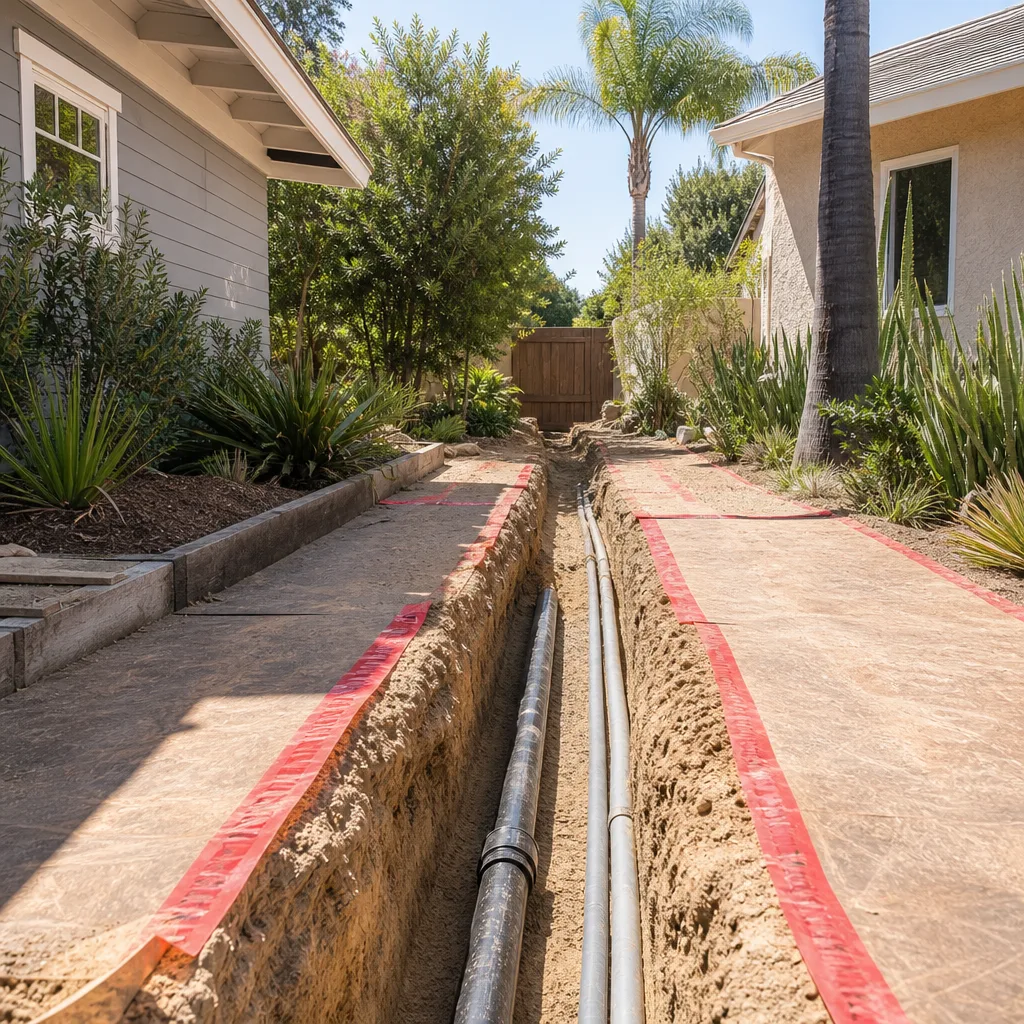
Anything involving trenching, concrete pour, electrical service, or gas line work needs a Dallas permit, and most of it needs a licensed trade. A bad sewer tap or an undersized feeder is not something you discover until it fails, and by then you’re paying twice: once to tear out the first try and again to do it right. If you suspect your Abodu site work was done poorly, call us at (903) 342-8977. We’ll send a background-checked, uniformed crew to assess it, and we’ll put the repair price in writing before any work starts.
FAQs
A properly built pad with correct compaction and drainage should last 20 to 30 years in Dallas before showing meaningful settlement. The electrical and plumbing runs should match that lifespan. What shortens it is clay soil movement, poor base prep, and water management failures at the pad edge. If your site work is failing in under five years, the original compaction or grading was skipped, not worn out. Call (903) 342-8977 and we’ll do a no-charge site assessment to tell you exactly what’s happening.
Most issues can be repaired without a full rebuild. A settled pad edge can be mud-jacked or slab-jacked back to level. A bellying sewer lateral can be isolated and re-bedded. An undersized electrical feeder can be replaced while the original trench is reused. Full replacement is only necessary when the entire pad is cracked through or the utility runs were installed in the wrong location relative to the Abodu stub positions. The fix starts with a written diagnosis, which we provide free of charge.
Most repair scopes run three to seven working days from permit approval to final inspection. A simple electrical feeder replacement can be done in a day or two. A pad repair or sewer lateral rebed usually takes a week because Dallas requires inspection holds at each stage. We schedule the work around your Abodu delivery date when possible, and we do not start until the price is in writing.
We stock the standard trade materials for Abodu site prep: 3,000 PSI concrete mix, 3/4-inch copper and PEX supply line, 4-inch ABS sewer pipe, 100-amp and 200-amp disconnects, and the form hardware for pads up to 600 square feet. For larger or unusual lots, we order what’s needed with a two-to-three-day lead time in Dallas. We also work with Cover and Dvele platforms, so if you switch units mid-project, the prep work usually transfers with only minor adjustments.
Written by Reed Calloway, Owner, Fielding ADU Dallas at Fielding ADU Dallas, serving Dallas and nearby areas.